4 Minutes Read
The draft Delhi Electric Vehicle Policy 2026, released on April 11, 2026, marks a decisive step in India’s electric mobility transition. With a total budgetary outlay of Rs 3,954 crore covering purchase incentives, scrapping bonuses, and charging infrastructure, and hard electrification mandates banning new ICE three-wheeler registrations from January 2027 and new ICE two-wheeler registrations from April 2028, Delhi is not just encouraging EVs; it is legislating the end of ICE in the world’s most congested market for two- and three-wheelers.
But while the policy focuses on adoption, the real question is whether the underlying EV ecosystem is ready to scale reliably. Scaling EVs is not just about selling more vehicles; it is about ensuring those vehicles perform safely, consistently, and predictably in real-world conditions.
The Policy at a Glance
The draft policy, valid until March 31, 2030, addresses three dimensions simultaneously: financial incentives for buyers, hard registration mandates for manufacturers, and infrastructure obligations for OEMs and the government.
Financial incentives:
- Electric 2W (ex-factory price up to Rs 2.25 lakh): Rs 10,000/kWh capped at Rs 30,000 in Year 1, tapering to Rs 6,600/kWh in Year 2 and Rs 3,300/kWh in Year 3
- Electric 3W (L5M): Rs 50,000 in Year 1, Rs 40,000 in Year 2, Rs 30,000 in Year 3
- Scrapping incentives: Rs 10,000 for 2W, Rs 25,000 for 3W, Rs 1 lakh for non-transport electric cars on scrapping BS-IV or below vehicles
Mandates:
- No new ICE vehicles for fleet aggregators and delivery operators from January 2026
- Only electric 3W permitted for new registration from January 1, 2027
- Only electric 2W permitted for new registration from April 1, 2028
- 30% of school bus fleets to be electric by March 2030; all new Delhi government fleet vehicles to be electric
Infrastructure:
- Delhi currently has 8,849 charging points against a requirement of 36,150; target to add 7,000 points in 2026, taking the total to over 16,000
- 893 battery swapping stations as of December 2025 against a requirement of 1,500; 1,268 new stations planned by December 2026
- Delhi Transco Limited designated as nodal agency for all public charging and swapping infrastructure; OEMs mandated to deploy at least one public charging station per dealer outlet
Beyond Adoption: The Real Challenges of Scaling EVs
As EV deployment grows across two-wheelers, three-wheelers, fleets, and public transport, several system-level engineering challenges begin to surface that policy incentives alone cannot solve.
1. Battery Reliability at Scale
The battery is the most critical and sensitive component in an EV. At scale, even minor inefficiencies in battery management can lead to inaccurate State of Charge (SOC) and State of Health (SOH) estimation, thermal management failures, reduced battery lifespan, and safety risks. These challenges rarely surface during prototyping; they emerge under real-world deployment density.
- 67% of Delhi’s total vehicle stock is two-wheelers. The 2028 ICE registration ban means this entire segment must transition to EVs within a compressed timeframe.
- At that deployment scale, BMS software failures that are manageable in pilots become systemic fleet liabilities, with safety and warranty consequences that multiply across hundreds of thousands of vehicles.
Without robust Battery Management Systems, EV adoption can quickly turn into operational and safety challenges.
ElectRay’s BMS development services deliver automotive-grade SoC and SoH estimation, thermal management, and cell balancing firmware calibrated for India’s operating conditions, supporting reliable EV performance at fleet scale.
2. Lack of End-to-End Diagnostics
The policy strongly emphasises charging infrastructure expansion, allocating Rs 1,000 crore to the purpose. However, infrastructure alone is not enough. When issues arise, chargers may not detect vehicle-side faults, vehicles may not interpret charging anomalies correctly, and service teams lack actionable diagnostic insights.
- Delhi’s 8,849 existing charging points are operated by 83 Charge Point Operators with variable software standards and no mandatory diagnostic interoperability.
- As the network scales toward 16,000 points by end-2026, the gap between charge-point-side data and vehicle-side fault information will widen without standardised diagnostic frameworks across OEMs and CPOs.
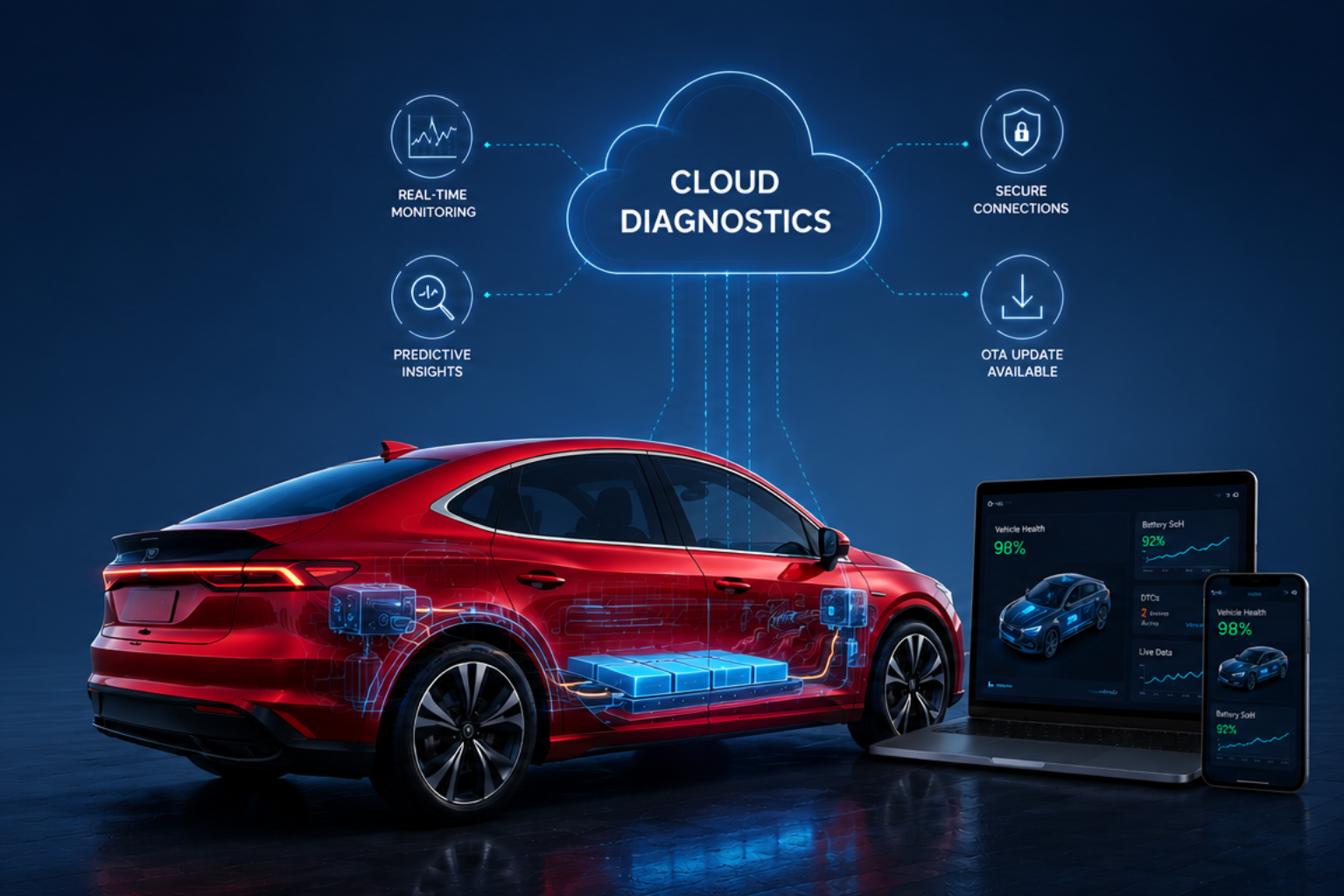
Diagnostics is the missing layer that connects vehicles, chargers, and cloud systems into a reliable ecosystem.
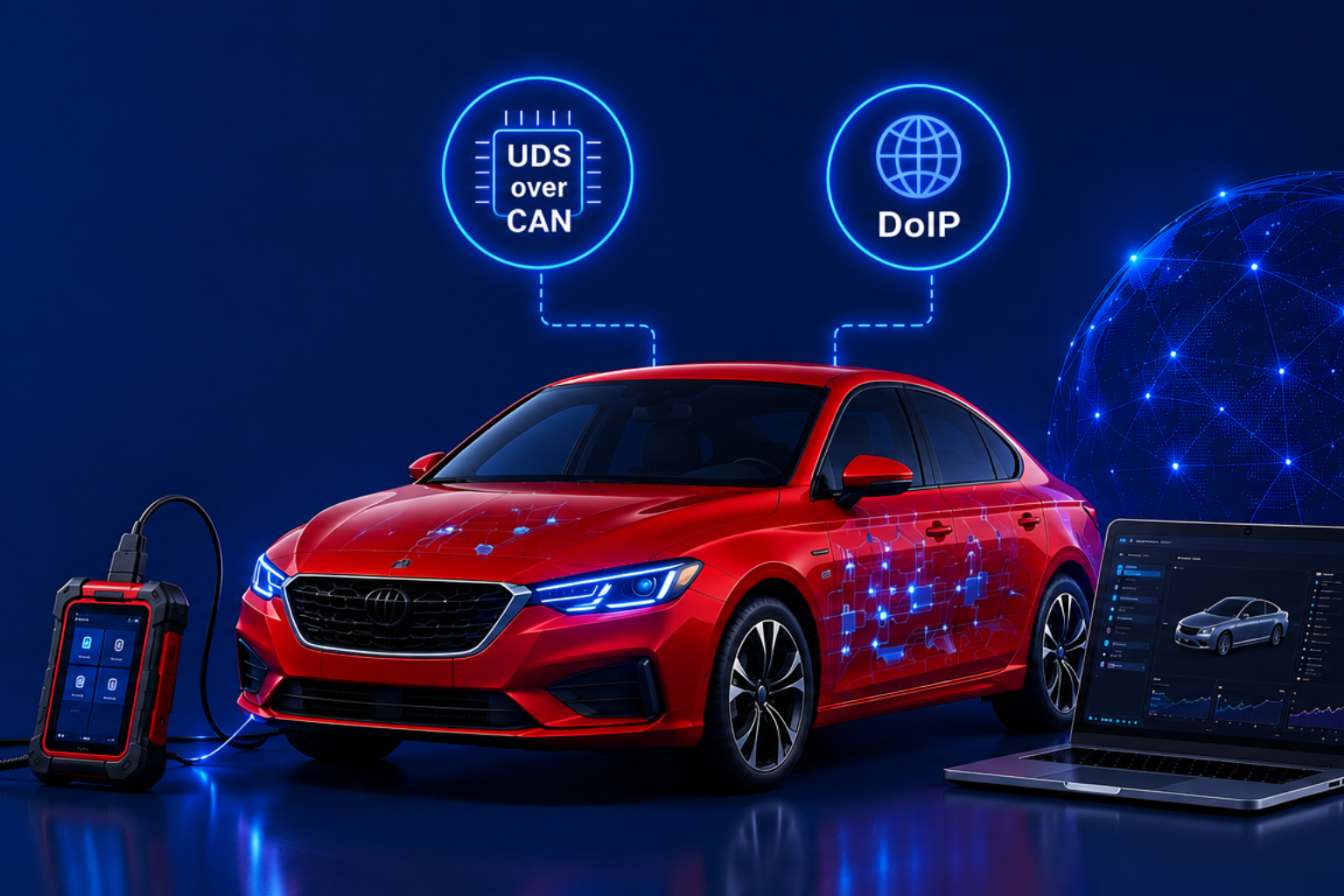
ElectRay’s UDS Stack and ZEVonUDS Stack provide standardised UDS and ZEV diagnostic frameworks for OBC, BMS, and charge port controller ECUs, enabling fault detection, SoH monitoring, and interoperability across India’s multi-operator charging network.
3. Fleet Electrification: Uptime Is Everything
Fleet operators are a key focus under the policy, with delivery aggregators already mandated to stop inducting ICE vehicles from January 2026. But for fleets, revenue depends entirely on uptime. Delhi registered 83,423 EVs in 2024-25, with a significant share in fleet and commercial segments.
As fleet electrification accelerates under policy pressure, unexpected breakdowns, battery degradation, and charging unpredictability become commercial risk, not just engineering inconvenience. A single fleet vehicle off the road for an undiagnosed fault costs the operator revenue in real time. Fleet success requires predictive diagnostics, remote monitoring, and OTA capabilities, not just electrified vehicles.
ElectRay’s eConnectX Connected Vehicle Platform enables remote diagnostics, real-time fleet health monitoring, and OTA firmware delivery for electric fleet operators, reducing unplanned downtime and enabling data-driven maintenance scheduling.
4. Battery Swapping and Interoperability Challenges
Battery swapping is emerging as a scalable solution for urban two- and three-wheeler mobility, and the draft policy explicitly includes swapping infrastructure under the Rs 1,000 crore charging infrastructure allocation. However, swapping’s success depends on accurate battery health tracking, seamless communication between the battery pack and vehicle, and lifecycle and usage analytics across shared pool batteries.
With 893 swap stations operational against a requirement of 1,500 and over 1,200 more planned for 2026, the software intelligence behind each swap event becomes critical. A degraded battery pack that is not correctly profiled by the BMS can damage a recipient vehicle or distort SoC readings, creating safety and warranty liabilities. Battery swapping cannot scale with hardware alone; it requires data-driven intelligence.
ElectRay’s ZEVonUDS Stack supports battery health validation and SoH-based swap eligibility checks, enabling safe and transparent battery pool management across swapping networks.
5. Second-Life Batteries and BESS Opportunities
The policy also opens doors for Battery Energy Storage Systems and second-life battery applications as Delhi’s growing EV fleet begins to generate retired packs. However, retired EV batteries are inherently degraded, inconsistent in residual capacity, and difficult to predict without detailed lifecycle data.
Delhi’s policy is a direct accelerant for India’s broader BESS pipeline. India’s BESS market is projected to reach USD 8.59 billion by 2031 at a CAGR of 33.2%, and large-scale urban EV deployments in cities like Delhi are the primary source of the second-life battery packs that feed it. Unlocking that value requires advanced diagnostics, health validation, and lifecycle tracking. Deploying retired packs without this intelligence creates grid-side safety and performance risks.
ElectRay’s eSAR.UDS Stack and BESS-adapted FOTA Solution support health validation, firmware lifecycle management, and diagnostic coverage for second-life battery deployments in stationary storage applications.
OTA Readiness: The Invisible Requirement
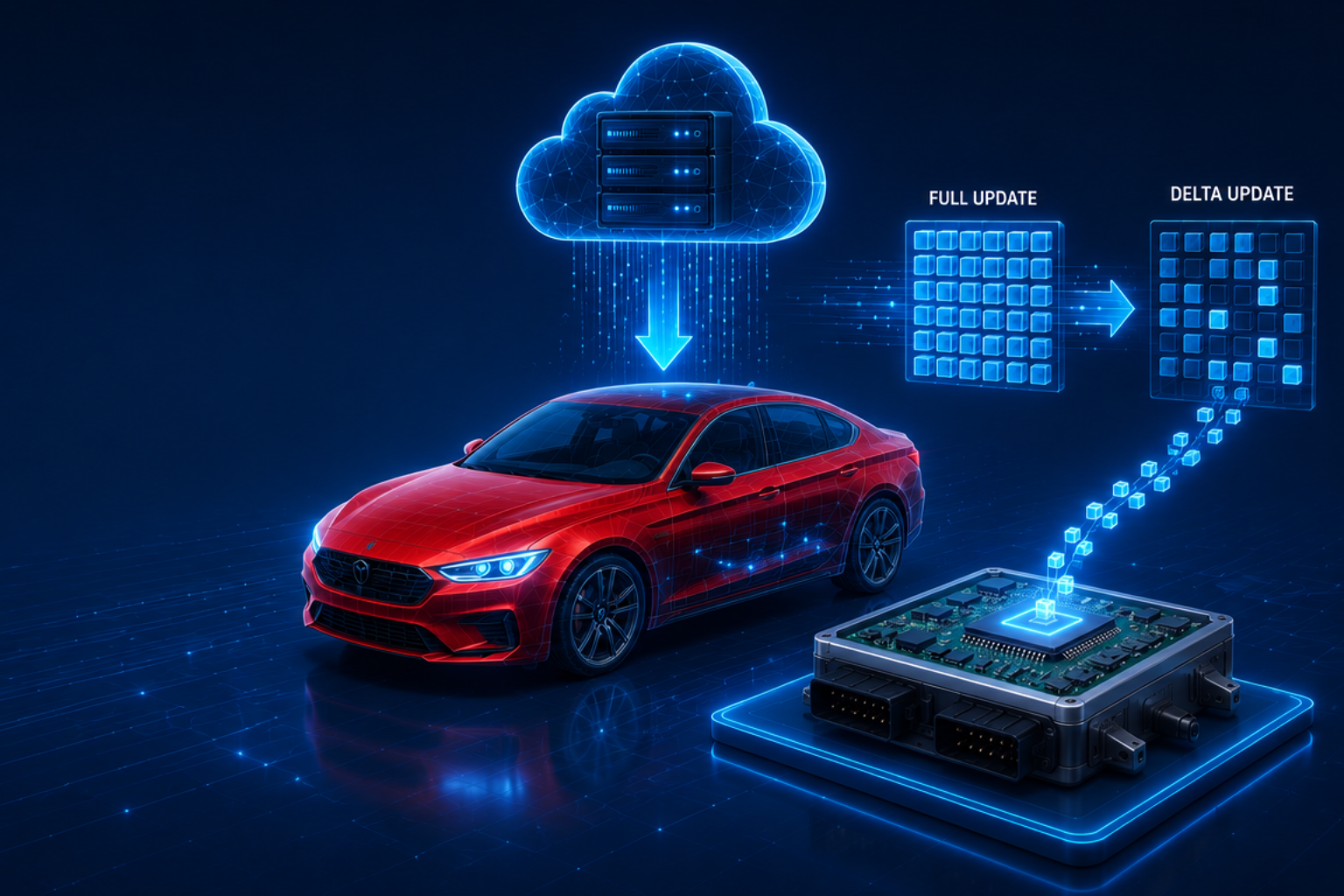
The draft policy does not explicitly mention OTA updates, but its mandates create an implicit requirement for them. A vehicle fleet mandated to stop ICE inductions from January 2026 and expected to remain operational through 2030 and beyond must be software-updatable in the field. Security vulnerabilities discovered post-deployment, new charging protocol versions, BMS algorithm improvements, and regulatory compliance patches cannot all require service centre visits across a fleet of tens of thousands of vehicles. AIS-189, India’s cybersecurity standard effective from October 2025, explicitly requires authenticated, traceable, anti-rollback OTA update mechanisms for connected ECUs throughout the vehicle lifecycle. AIS-190 requires version traceability for up to 10 years.
For Delhi’s fleet operators and OEMs, OTA readiness is not a future consideration; it is a current compliance and operational necessity.
ElectRay’s Secure Flash Bootloader and FOTA Solution deliver authenticated, rollback-safe OTA firmware delivery for electric vehicle ECU fleets, aligned with AIS-189 and AIS-190 requirements and designed for the multi-ECU complexity of modern EVs.
Policy vs Reality: Bridging the Gap
The Delhi EV Policy 2026 is a strong enabler of adoption. But adoption alone does not guarantee success. The real gap lies between policy ambition and engineering execution. A policy that mandates 100% electric 2W registrations by 2028 will succeed only if the vehicles being registered are reliable, diagnosable, updatable, and safe. Incentives bring buyers to the showroom; engineering reliability keeps them in the ecosystem.
To bridge this gap, EV ecosystem players must focus on:
- Reliable and production-ready BMS with accurate SoC, SoH, and thermal management
- End-to-end diagnostics connecting vehicles, chargers, and cloud systems
- OTA-enabled, scalable platforms compliant with AIS-189 and AIS-190
- Integrated vehicle-to-grid and BESS architectures for second-life battery value capture
- Cybersecurity-by-design across ECU firmware, diagnostic sessions, and OTA pipelines
Conclusion
The Delhi EV Policy 2026 is a catalyst for India’s electric mobility future. With Rs 3,954 crore in committed spending, hard ICE phase-out mandates by 2027-28, and a city-wide infrastructure programme targeting 16,000 charging points and 2,000+ swap stations by end-2026, the policy creates the most concrete EV deployment timeline any Indian city has set. But the success of this transition will depend on more than incentives and infrastructure. It will depend on engineering reliability, system intelligence, and scalable software architecture. Because in the EV era, adoption is just the beginning; reliability is what defines success.